Minerals
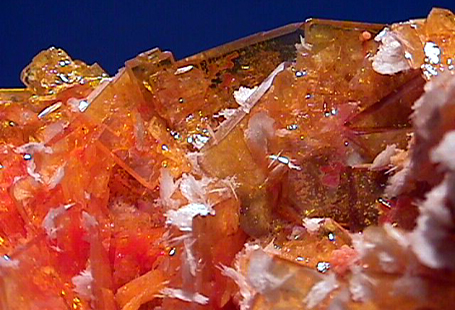
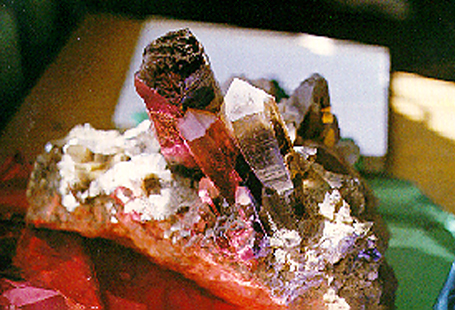
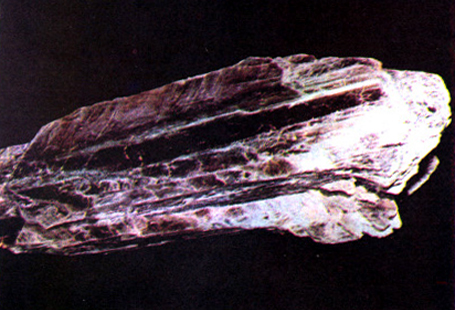
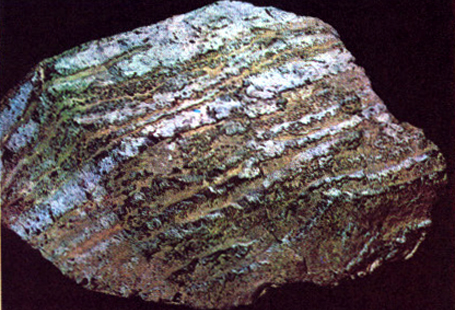
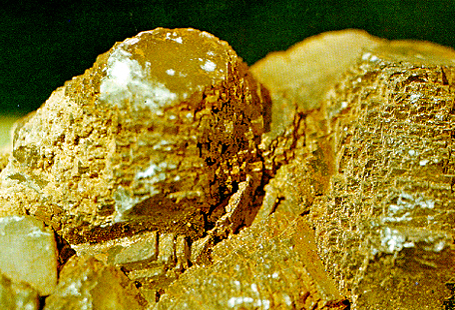
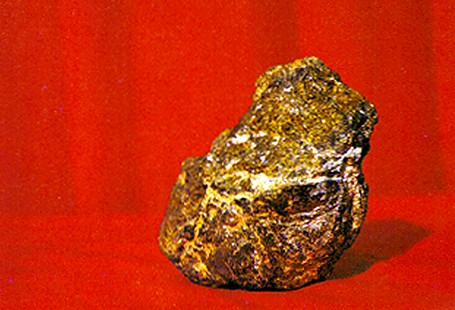
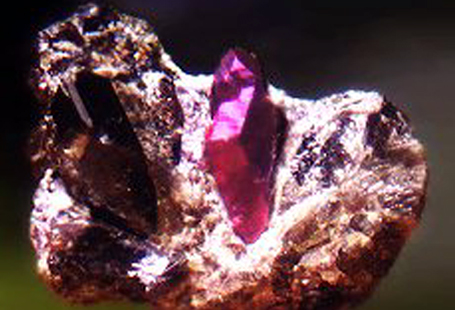
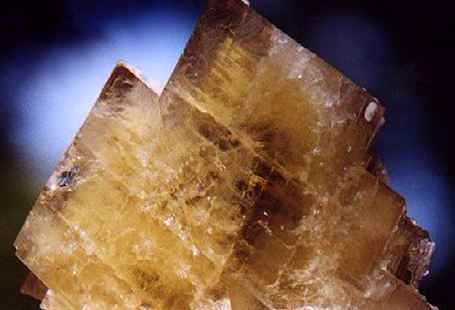
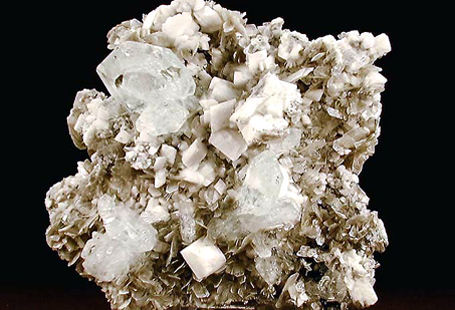
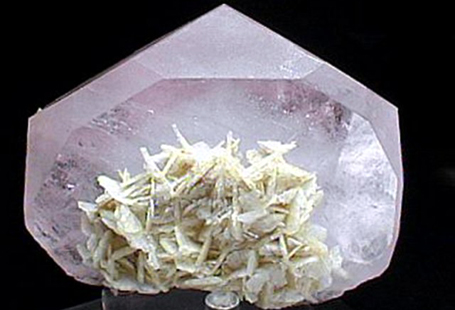
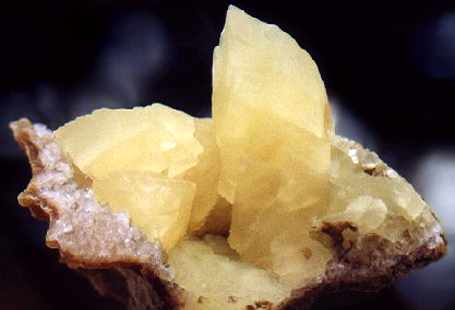
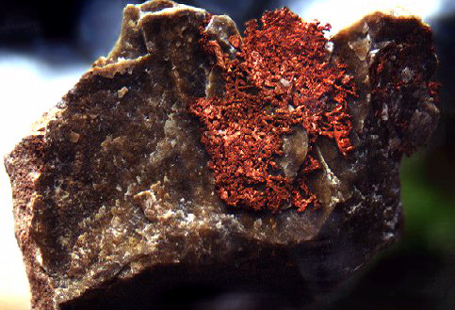
Mongolia has one of Asia's largest freshwater lakes - - Khovsgol -- and river systems. The surface water has a huge share in the balance of water resource of the country. The volume of fresh river water reaches 39 cubic km and the water of the lakes is 180.0 cubic km, of which 60 cubic .km is fresh. The resource of the subsoil water is not fully explored but assessed as unlimited. Traditionally, the land resource of the country was used for pasture and hay. The nomads did not develop agricultural activity. Only small areas in the river basins were cultivated under crops. 75.1 per cent of Mongolian territory is occupied by pastureland and 8.0 per cent by forest. By its geographical structure, the territory of Mongolia is part of the first land rise on Earth. For the above reason, the subsoil of Mongolia is also rich in mineral resources, including coal, copper, molybdenum, fluorite, gold iron ore, lead oil, phosphates, tin, uranium and wolfram of high quality. More than 6,000 occurrences of about 80 different minerals have been found in Mongolia. About 200 deposits and occurrences at 10 coal basins were discovered and estimated as carrying more than 50 billion tones of coal reserves on Mongolian territory. Explorations have been carried out on 42 of these deposits and proved 3 billion tones of coal reserves. Mongolian coal deposits were studied only for energy purposes but were not assessed for producing liquid fuel, gasification and for the cement factory and fertilizing of soil etc. Mongolia is considered to have fairly large resources of _oil and an oil deposit was exploited and then ceased in the 1960s. This is now subject to redevelopment for in-country use. The resources of coking and energy coal are estimated as 20 billion tones. The Tavan Tolgoi deposit (5.2 billion tones, including 1.2 billion tones of coking coal) located in the southern part of the country is the most feasible one for exploitation in the nearest future. Copper is one of the most important raw materials in the mining industry and the major mineral resources export of the country. The main copper reserves are in the Erdenet and Tsagaan Suvraga deposits. There are several small deposits and occurrences near these big deposits. There are many occurrences of copper skarn with high rate, copper pyrites, copper-nickel and sandstone formations containing copper that have not yet been studied in detail. Polymetal deposits are mainly in the central region of Mongolia. At present about 30 lead, zinc and other deposits and occurrences have been discovered. There are several big deposits of tin, tungsten and other metals. Mongolian gold and silver deposits are sufficient for industrial exploitation. Asgat and Mongon Ondor are the important silver deposits. Mongolia is rich in fluorspar and phosphorite reserves. There are 60 fluorspar deposits and about 300 occurrences, found mainly in the central and eastern aimags. In the northern part of Mongolia lies a huge deposit of phosphorite. Great wealth lies hidden under the soil of Mongolia in which one can find oil, coal, graphite, sulphur, spar, phospphatus, fluorite, various kinds of salt, tungtsen, molybednum, copper, tin, gold, silver, and other rare metals. Iron deposits have been discovered in some places. Often-found are a diversity of precious and semiprecious stones: garnet, jasper, jade, topaz, nephrite, agate, and azuriteand so on. Apart from them are found granite, marble, tufa, limestone, gypsum, basalt, and other building materials.