Energy
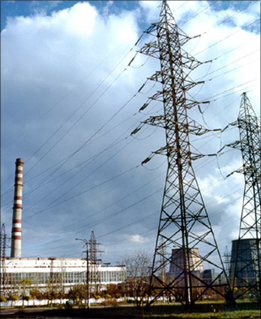
The energy sector supplies the capital city of Ulaanbaatar and other large cities and centres of provinces with electricity and heating and 70% of the population with electricity. There are 8 power plants, which have a total installed capacity of 838 MW. These 8 power plants create a Central Energy System (CES), which connects 11 provincial centres and 102 soums, Western Energy System (WES) and Eastern Energy System (EES) those connect 3 provinces and 8 soums with electricity. Diesel stations with a capacity of 6400-10700 kW provide provinces of the eastern region, such as Zavkhan, Gobi-Altai, Huvsgul and Bayankhongor with electricity. 90 percent of thermal power plants in the country use coal as their energy source. The total resource of coal in Mongolia was determined as 150 billion tons. At this moment 200 deposits has been discovered.
Fourteen projects have been implemented, of which seven were completed by using loans from donors. Mongolia utilised $390 million in loans and technical assistance in the energy sector for the implementation of 39 projects since 1992.
The adoption of the Energy Law in 2001 has facilitated the transfer of energy production, distribution and sale activities to the private sector. 42 soums were connected over the last four years to the national grid and 24,000 households were provided with renewable energy sources. However, not everyone in the country has access to modern sources of electricity and heat. Some 33 per cent of the population currently lack access to electricity and 43 per cent lack access to central heating.
The program to develop a Mongolian Integrated Power System (MIPS) was approved by the Parliament in June 2002. Establishing an integrated system for Mongolia and developing affordable, cost efficient and reliable access to energy, and developing of renewable energy sources is a key objective of the program. The energy demand in the country is predicted to increase by between 3.5 and 5 percent per year and in order to supply these needs, 55 percent of the total electricity will need to be produced by thermal power plants, 30 percent by hydro-power plants, and five percent by wind and solar power. The Government is paying special attention to the electrification of rural areas and has adopted the national program "100,000 solar energy gers" to be implemented in three stages between 2000-2010.
Within the program some 250 million tugrugs was allocated from the central budget and utilised for the procurement of solar energy sets for herder households. Some 20,000 herder families received solar power in 2003 under the project. Furthermore since 2000, a collaboration of the energy sector of Mongolia and the US National Laboratory of Renewable Energy invented a map of Mongolia's wind energy. The map indicates that a wind park with the capacity to produce 2.55 million GW of electricity per year is possible. Plans are in place to establish the wind generators across 10 percent of the country.
The Government of Mongolia has made significant investment, and technical and technological innovation to the sector. Foreign investment was aimed at ensuring reliable operation of power and the objective to build up a united network, which can provide rural areas with electricity. Under the objective, hydro power plants will be built in Gobi-Altai, Zavkhan, Khovd and Bulgan provinces. The power line network will be extended. Alongside this, structural reform and preparation work to privatise state properties are being carried out in the energy sector.
Following the economic development of the world countries, power and energy production volume has increased drastically. As for the World energy sources, coal constitutes 39% of it, natural gas, water, nuclear energy - 17% respectively, oil - 8%. In 2006, the hydroelectric plant on Egiin Gol River was built with the 300million USD special loan from China. In acquiring the special right to export 3000 gwt electricity to China, Mongolia proved that it has possibilities to import electricity based on its coal and uranium deposits. However, there are 3 thermoelectric plants operating in Ulaanbaatar, 1- in Erdenet and Darkhan Cities respectively, 1- in Nalaikh City, and 5 hydroelectric plants operating in Durgun, Taishir, Mongolia still has about 120 soums/ an administrative unit/ that are not connected to the electric grid. Therefore, building thermoelectric plants based on large coal deposits, using up-to-date technologies is regarded as one of the priorities of Mongolia.